Big Mountain Dora
My art is a reflection of the chaotic beauty that comes from breaking and rebuilding. Through deeply personal visual storytelling, I explore trauma, recovery, transformation, and identity. Each painting is a chapter of my own journey, reclaiming my narrative while inviting others to see that healing is possible.
The stories behind these paintings are deeply personal. While they are drawn from real experiences, I have changed the names and identifying details of the people involved to protect their privacy. I share the painful details of my past and the uncomfortable truths they hold because I believe silence allows shame to survive. By bringing these experiences into the light, I hope that anyone who has lived through trauma can see that even after unimaginable circumstances, it is possible to recover, rebuild, and create a meaningful life.
Some people may wonder why I choose to reveal so much of myself. The answer is simple: I'm not ashamed of where I've been. If my willingness to be vulnerable helps even one person believe that their story isn't over, that they can rise from the ashes and begin again, then every difficult truth I've shared has been worth it.
I don't share my story because I have all the answers. I share it because I know what it feels like to believe there is no way forward, and I know what it feels like to find hope again. My greatest hope is that someone standing in that same darkness will see these paintings and realize they are not alone, that healing is possible, and that they, too, can recover and rebuild.
From Chaos to Canvas
Art born from trauma, recovery,
and the relentless pursuit of healing.
Born and raised in Colorado Springs, I grew up in a strict Pentecostal household that left little room for emotional expression or tools for coping with life's hardships. Autonomy was virtually nonexistent. Every decision was made for me, and obedience was demanded without question. Living in such a rigid environment didn't just silence my voice. It left me without the emotional tools to navigate adulthood, trust my own judgment, or make healthy decisions. By the time I turned 18, I had endured several major traumas that shaped the course of my early life. I also grew up undiagnosed autistic, which added another layer of confusion and isolation, constantly wondering why life felt so hard for me and seemed so easy for everyone else.
In the absence of guidance or support, I spiraled into addictive behaviors including drugs, alcohol, and a pattern of self-destruction that only compounded the pain I was trying to escape. Looking back, I can see that part of my rebellion grew out of the rigid environment in which I was raised. In church circles, people sometimes referred to it as "pastor's kid syndrome," the tendency for young people raised under intense expectations to rebel in equally intense ways. Although I wasn't a pastor's child, I understood the experience. After years of having every aspect of my life controlled, I reached a point where I intentionally pushed boundaries simply because I had never been allowed to discover who I was on my own. For years I had never been allowed to make my own decisions, so when I finally had freedom, I didn't know how to use it. I confused autonomy with rebellion, believing that doing the opposite of what I had been taught was the only way to discover who I was. What began as testing limits eventually escalated into addiction, criminal behavior, and a pattern of self-destruction. Many of my choices weren't driven by freedom, but by a desperate need to reclaim it. My substance use and the lifestyle that surrounded it exposed me to even deeper levels of trauma, experiences that were often chaotic, dangerous, and profoundly damaging.
I always knew addiction ran in my family, so I kept an eye on my drug use, but alcohol was a different story. It was socially acceptable, easy to hide behind, and slowly took over my life. Everything changed after a life altering event. My ex-husband suffered severe injuries during seizures caused by alcohol withdrawal. That was the first time I learned you can actually die from alcohol withdrawal. It shook me to my core because I had already started experiencing alcohol withdrawal myself. I had what people commonly refer to as "the shakes," but I had no idea that alcohol withdrawal could progress to seizures, delirium tremens, and even death. In that moment, I saw my own future unfolding in front of me. I knew I was heading down the same path if I didn't make a serious change.
Recovery wasn't one decision or one breakthrough. It was the result of many small practices that slowly changed the way I related to myself and the world. I found lasting sobriety on August 3, 2015, but healing required much more than simply putting down alcohol. It meant rebuilding a life worth staying sober for.
One of the first places that gave me hope was The Phoenix, a sober active community centered around movement and connection. Traditional recovery meetings helped me in the beginning, but I struggled to find my place there. I was painfully shy and couldn't speak in front of a room full of people without breaking down in tears. Instead, I found healing through action. I discovered CrossFit, eventually returned to rock climbing, and learned that moving my body alongside other people could create connection even when I couldn't find the words. Today, climbing has become one of the greatest passions of my life.
Therapy helped me understand my past, but mindfulness taught me how to live in the present. Through meditation, I learned to pause before reacting, to observe my thoughts without believing every one of them, and to recognize that many of my fears and inner criticisms were echoes of trauma rather than reflections of reality. Daily positive affirmations slowly reshaped the way I saw myself, strengthening a sense of self-worth that had been missing for most of my life. Yoga became another essential part of my healing, helping me reconnect with a body that had carried years of stress and trauma.
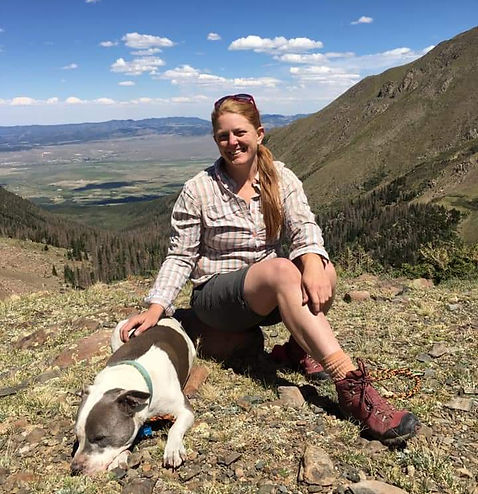
During my first two years of recovery, I continued to relapse. Eventually I realized I couldn't simply remove alcohol from my life, I needed to replace the obsession with something healthier. I chose backpacking. What began as a distraction quickly became a calling. I immersed myself in learning about gear, navigation, wilderness safety, and route planning, hiking nearly 200 miles during my first summer. Out in the mountains, surrounded by silence, I experienced something I had never known before: a deep sense of connection to the natural world, to something larger than myself, and to the possibility of a different life.
That experience awakened a desire to serve others. I began volunteering with Ronald McDonald House Charities and, over the years, dedicated thousands of hours to organizations including The Phoenix, Concrete Couch, HopeCOS, Solid Rock Food Pantry, Cambio Yoga,GingerSnaps Rescue Ranch, Orient Land Trust, and my local ukulele community. Service gave me purpose, belonging, and the opportunity to become the kind of person I had needed when I was younger.
Looking back, I don't believe healing came from any one practice. It came from all of them working together: movement, community, mindfulness, creativity, nature, service, and purpose. Painting became the place where everything converged. It allows me to process emotions that words cannot fully express and to transform painful experiences into something meaningful. Every piece I create is part of that ongoing process; a reminder that recovery is not a destination, but a lifelong practice of choosing growth, connection, and hope.